
The Future of Compact Electric Excavators: Growth Potential and Trends Over the Next Five Years
Mini electric excavators are rapidly gaining traction in the global construction and agricultural equipment markets. Their unique blend of efficiency, sustainability, and versatility has made them indispensable in urban and rural settings. This blog explores the factors driving their growth, challenges ahead, market trends, policy impacts, and supply chain dynamics.
lf you have a lot of construction and landscaping work to do around your property, knowing how to operate a mini excavator can be life-saving. However, this machine could also make you money. You see, there are so many things you can do with your mini-excavator that other people would be willing to pay for. So, if you want some mini-excavator money tips,keep reading this article!
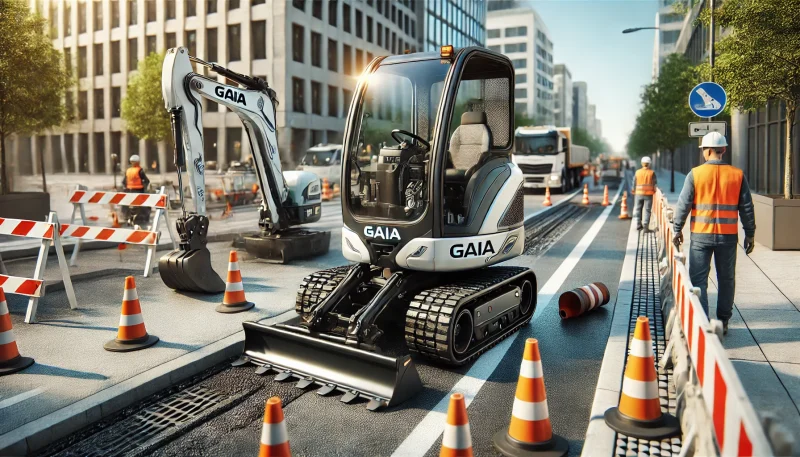
Market Drivers for Compact Electric Excavators
The growth of compact electric excavators is fueled by several key factors:
1. Environmental Regulations
Governments worldwide are enforcing stricter emission standards, pushing manufacturers to develop cleaner, quieter, and more sustainable machinery. Electric excavators fit perfectly into this framework.
2. Urbanization and Space Constraints:
As cities grow denser, there’s a rising demand for machinery that can perform efficiently in confined spaces without contributing to air and noise pollution.
3. Technological Advancements
Innovations in battery technology, electric drivetrains, and telematics have made electric excavators more competitive with traditional diesel-powered models in terms of performance and reliability.
4. Growing Construction and Infrastructure Projects
Both developed and developing nations are investing heavily in infrastructure, creating sustained demand for compact, maneuverable, and eco-friendly equipment.
Challenges in the Electric Excavator Market
- High Initial Costs: Electric excavators typically have higher upfront costs due to expensive battery systems. While operating costs are lower, the initial investment can be a deterrent.
- Battery Performance: Limited battery life and long charging times remain a concern, particularly for applications requiring prolonged usage.
- Infrastructure Gaps: Lack of charging infrastructure in remote or underdeveloped areas limits the adoption of electric machinery.
- Supply Chain Issues: The availability of critical raw materials for batteries, such as lithium and cobalt, poses risks to the electric excavator industry.
Future Trends in Compact Electric Excavators
- Improved Battery Technology: Breakthroughs in solid-state batteries and fast-charging systems are expected to revolutionize the sector, increasing the efficiency and runtime of electric excavators.
- Integration of Smart Features: IoT-enabled monitoring, autonomous operation capabilities, and predictive maintenance will become standard, enhancing operational efficiency and reducing downtime.
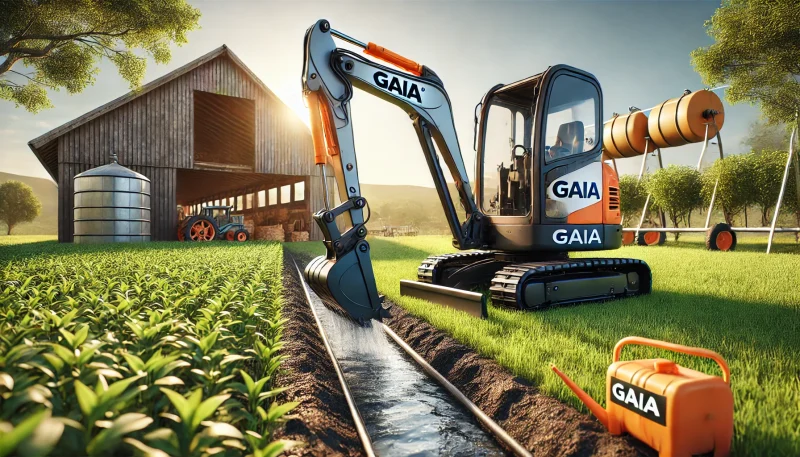
- Expansion in Applications: Beyond construction, electric excavators are finding applications in agriculture, landscaping, and urban utilities, thanks to their versatility and compact size.
- Global Policy Support: Subsidies, tax incentives, and green financing initiatives will drive broader adoption, especially in markets like China, Europe, and North America.
Supply Chain and Market Landscape
Compact electric excavators are part of a global ecosystem, with manufacturers sourcing components like electric motors, batteries, and controllers from specialized suppliers. Collaboration across regions is essential to ensure steady production. The market is diverse, with equipment ranging from mini-excavators for landscaping to mid-sized models used in heavy construction.
Well-known brands construction machinery manufacturers such as Cat, XCMG, Hyundai, Volvo, KUBOTA, JCB, etc. are also investing in the research and development of new energy excavators and developing corresponding products.
Advantages of Compact Electric Excavators
1. Environmental Sustainability
Compact electric excavators produce zero emissions, aligning with global efforts to combat climate change. They are ideal for urban and indoor projects where air quality standards are stringent. Beyond compliance, these machines enhance a company’s environmental reputation.
2. Reduced Operating Costs
Electric models have fewer moving parts than their diesel counterparts, resulting in lower maintenance costs. Coupled with cheaper electricity as a fuel source, these savings make electric excavators a cost-effective long-term investment.
3. Lower Noise Levels
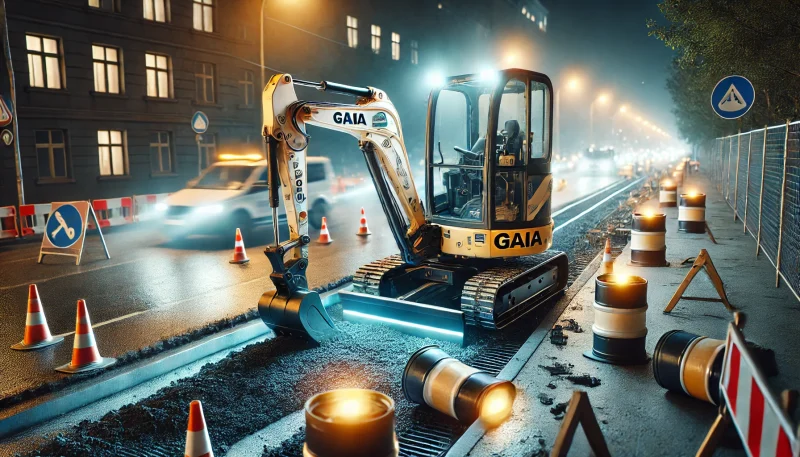
Noise pollution is a significant concern in urban and residential construction sites. Electric excavators operate much quieter than diesel-powered ones, allowing for extended working hours and improving worker comfort and neighborhood relations.
4. Compact and Versatile Design
Electric excavators are designed to work in tight spaces, making them indispensable in dense urban environments or confined agricultural areas. Their versatility also extends to varied applications, from trenching to material handling.
5. Enhanced Operator Comfort
The absence of engine vibrations and fumes in electric excavators creates a healthier, more comfortable working environment for operators, boosting productivity and reducing fatigue.
China's Role in Electric Excavator Development
1. Leadership in Battery Technology
China is a global leader in battery manufacturing, providing cost-effective and high-performing battery solutions for electric excavators. The country’s advancements in battery recycling also contribute to sustainable practices.
2. Government Policies and Incentives
China’s government actively supports the transition to electric construction machinery through subsidies, tax reductions, and pilot projects in smart cities. Such policies are propelling rapid adoption.
3. Emerging Market Potential
As the world’s largest construction market, China’s demand for compact and eco-friendly machinery continues to rise. This provides an unparalleled growth opportunity for domestic and international electric excavator manufacturers.
Conclusion
The next five years will see compact electric excavators transform the landscape of construction, agriculture, and beyond. Backed by technological advances, robust market drivers, and supportive policies, these machines are set to play a pivotal role in sustainable development worldwide.